Evaluating the I Am a Proud Nurse Design for Embroidery
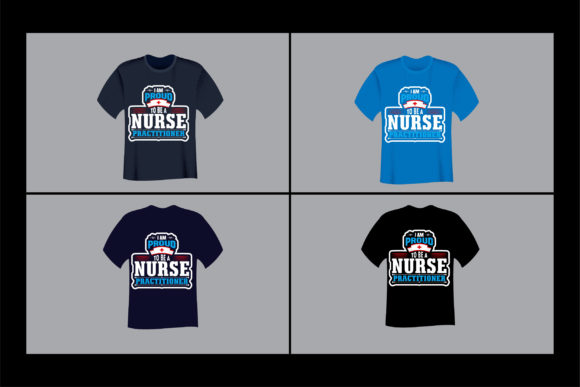
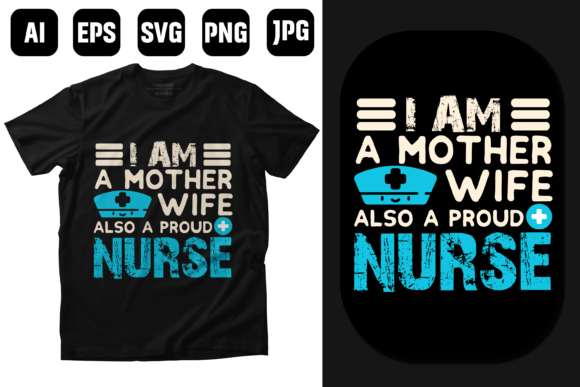
As a designer who has spent years digitizing patterns and testing them on everything from thick denim to delicate baby onesies, I approach every new machine embroidery design with a critical eye. It is not enough for a graphic to look good on a screen; it must translate flawlessly into thread. Recently, I took a close look at the I Am a Proud Nurse T Shirt Design, a digital asset categorized under Print Templates and Graphics, to determine its viability for real-world stitching projects. My goal was not just to admire the aesthetics but to evaluate how this design performs when put under the needle of an embroidery machine.
First Impressions and Visual Personality
The initial impression of the I Am a Proud Nurse T Shirt Design is one of bold, unapologetic pride. The layout is straightforward, prioritizing legibility and impact over intricate decorative flourishes. For embroidery purposes, this is often a strength. Complex, overly detailed graphics can turn into a muddy mess of thread breaks and puckering, especially on smaller items. This design’s clean lines suggest a focus on clarity, which is essential for apparel that needs to be read from a distance, such as scrubs or tote bags carried in busy hospital corridors.
The mood is professional yet personal. It speaks directly to the identity of healthcare workers, a demographic that values both durability and sentiment. When I visualize this as an embroidery project, I see it working best with strong, contrasting thread colors. The design does not rely on subtle shading, which means it will hold up well even after repeated industrial washing, a crucial factor for medical professionals.
Real-World Application Scenarios
To truly test the versatility of this design, I imagined several specific use cases beyond the standard t-shirt. While the product title specifies a t-shirt, experienced crafters know that a solid digital embroidery file should be adaptable. Here is how I see this design performing in various contexts:
- Custom Apparel: On a high-quality cotton tee, this design would serve as a statement piece. Using a fill stitch for any background elements and a satin stitch for the borders would give it a premium, raised texture that feels substantial against the skin.
- Tote Bag Design: Canvas tote bags are popular gifts for nurses. The sturdy fabric supports higher stitch density without puckering. This design would look striking on a natural canvas bag, perhaps paired with a simple medical symbol like a caduceus or heart if the user chooses to expand the motif.
- Sweatshirt Embroidery: Fleece and heavy cotton blends are ideal for this type of bold lettering. The thickness of the fabric hides the back of the stitches, resulting in a clean finished product. However, one must be mindful of the hoop size to ensure the entire phrase fits comfortably on the chest or sleeve.
- Embroidered Patch: Creating a merrow-edge patch allows for maximum versatility. A nurse could iron this onto a jacket, a backpack, or even a scrub cap. Patches also allow for the use of tear-away stabilizer more easily than direct-to-garment stitching on stretchy fabrics.
Technical Considerations for Stitching
While the design is visually appealing, there are technical aspects that require attention before hitting the "start" button on your machine. Since the source description mentions these are Graphics and Print Templates, it is vital to confirm that you have the correct embroidery file formats (such as DST, PES, or JEF) compatible with your specific machine. Do not assume a print-ready vector is ready for stitching without proper digitizing.
If you are using this as a pre-digitized machine embroidery design, check the stitch path. Long runs of text can sometimes cause thread tension issues. I recommend running a test stitch-out on scrap fabric that matches the weight of your final material. This step is non-negotiable for professional results. Pay close attention to the corners of the letters. Sharp angles in text can lead to bird-nesting if the machine does not slow down appropriately or if the digitizing lacks proper tie-in and tie-off stitches.
Another critical factor is fabric texture. On textured fabrics like terry cloth towels or pique polo shirts, small details can get lost. If this design includes fine lines, they may disappear into the pile of the fabric. In such cases, increasing the stitch width or using an applique design technique—where a piece of fabric is stitched down to form the letters—might be a smarter choice. Applique reduces bulk and ensures high visibility on difficult textiles.
Navigating Challenges with Dark and Stretchy Fabrics
Stitching on dark fabric requires careful planning of thread colors. White or light pastel threads pop beautifully against navy or black scrubs, but you must ensure the underlying fabric does not show through gaps in the stitching. A dense fill or a backing layer of similar-colored thread can help achieve full coverage. Conversely, on stretchy fabrics like jersey knits, the pull of the thread can distort the garment. Using a cut-away stabilizer is essential here to maintain the shape of the custom apparel after washing.
For curved surfaces like caps, the design placement is tricky. The phrase "I Am a Proud Nurse" is relatively long. Fitting this onto a standard cap front panel might require reducing the size, which could compromise legibility. In this scenario, consider splitting the text or using it on the side panel or back of the cap where there is more flat surface area. Always measure your hoop size constraints before committing to a project.
Commercial Viability and Brand Consistency
For Etsy sellers and small shop owners, this design offers strong commercial potential. The nursing community is vast and passionate, often seeking personalized items that reflect their career pride. Whether you are creating holiday embroidery gifts for staff appreciation week or everyday personalized gift items, this design resonates emotionally. Emotional connection drives sales.
However, professionalism is key. A sloppy stitch-out reflects poorly on your brand. Ensure that your handmade product presentation includes high-quality photos that show the texture of the stitches. Use printable mockup tools to preview how the design looks on different colored garments before you list them. This saves time and reduces the likelihood of returns due to color mismatch expectations.
When selling design assets or finished items, always verify the licensing terms. The product description invites users to buy files for themselves, friends, and family, but commercial use rights can vary. If you plan to sell hundreds of units as a craft business, confirm that the license covers commercial production. Respecting intellectual property builds trust within the creative entrepreneur community.
Final Verdict for Makers
The I Am a Proud Nurse T Shirt Design is a solid candidate for a variety of embroidery projects, provided the maker pays attention to technical details. It is not just a graphic; it is a statement that requires precise execution to honor the profession it represents. By choosing the right stabilizer, testing on scrap fabric, and selecting appropriate thread contrasts, you can transform this digital file into a cherished keepsake or a best-selling item in your small shop product lineup. Remember, the difference between a good design and a great embroidered piece lies in the preparation and the quality of the stitch.